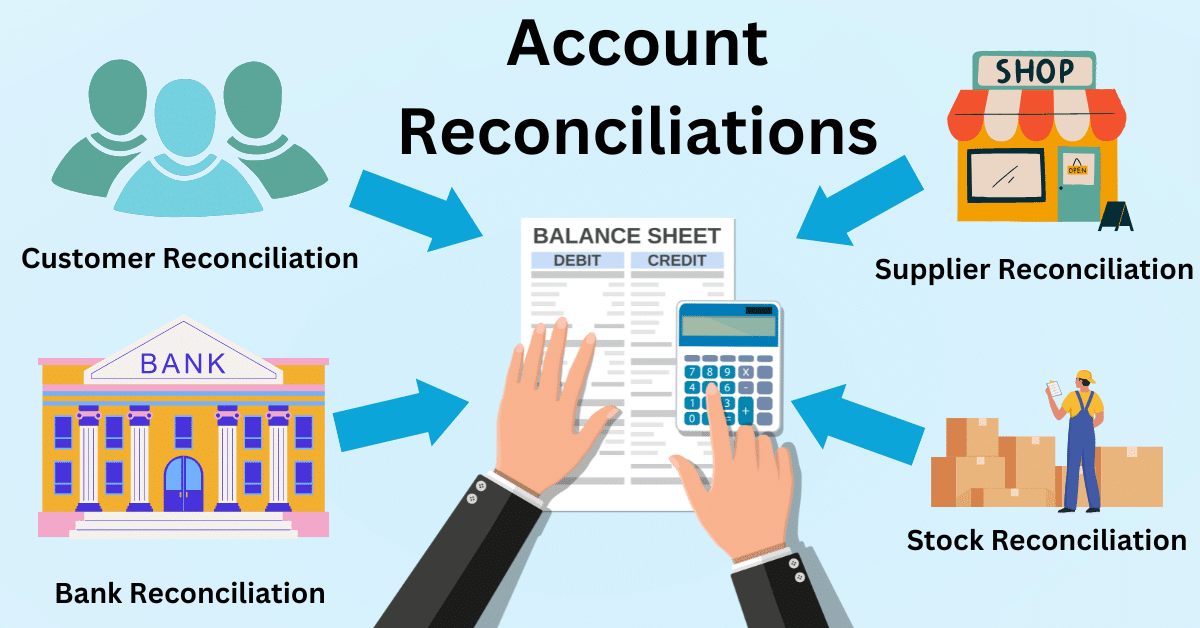
In today’s fast-paced business environment, managing finances effectively is crucial for any organization’s success. One essential aspect of financial management that often gets overlooked is bank reconciliation for current accounts. This process involves comparing and matching the records of a company’s transactions with those of the bank to ensure accuracy and transparency. In this article, we will delve into the importance of bank reconciliation for current accounts and how it can benefit businesses.
What is a Current Account?
A current account is a type of bank account that individuals or businesses use to manage day-to-day financial transactions. It allows for deposits, withdrawals, and payments to be made easily and efficiently. Current accounts are typically used for operating expenses, payroll, and other regular business transactions.
Why is Bank Reconciliation Important for Current Accounts?
Bank reconciliation is crucial for current account because it helps ensure that the transactions recorded in a company’s books match those recorded by the bank. Discrepancies can arise due to various reasons, such as errors in recording transactions, timing differences, or bank fees. By reconciling the accounts regularly, businesses can identify and rectify these discrepancies promptly, preventing financial inaccuracies and potential fraud.
Detect Errors and Fraud
One of the primary benefits of bank reconciliation is that it helps businesses detect errors and potential fraud. Discrepancies between the company’s records and the bank statement can indicate unauthorized transactions, double payments, or other fraudulent activities. By reconciling the accounts, businesses can identify and address these issues before they escalate into significant problems.
Ensure Accuracy and Transparency
Maintaining accurate and transparent financial records is essential for building trust with stakeholders, such as investors, creditors, and regulatory authorities. Bank reconciliation helps businesses verify the accuracy of their financial transactions and ensure that all funds are accounted for properly. This transparency is critical for making informed business decisions and demonstrating financial responsibility.
Improve Cash Flow Management
Efficient cash flow management is crucial for MSMEs aiming for long-term stability and growth. By regularly reconciling the current account for businesses, businesses can monitor cash inflows and outflows, identify shortfalls or surpluses, and make data-driven financial decisions. This process helps optimize liquidity, manage working capital effectively, and plan for future expenses or investments.
Avoid Overdrafts and Fees
Failure to reconcile the current account regularly can lead to overdrafts, insufficient funds, and bank fees. These financial penalties can erode profits and strain cash flow, especially for small businesses. By reconciling the accounts promptly, businesses can avoid these costly mistakes, maintain a positive relationship with their banks, and preserve their financial stability.
Best Practices for Bank Reconciliation
To reap the full benefits of bank reconciliation for current accounts, businesses should follow some best practices, including:
- Reconciling the accounts on a regular basis (e.g., monthly or quarterly).
- Comparing all transactions, including deposits, withdrawals, and bank fees.
- Investigating and resolving any discrepancies promptly.
- Keeping detailed records and documentation of the reconciliation process.
- Using accounting software or tools to streamline the reconciliation process.
In conclusion, bank reconciliation is a vital financial management practice for businesses that use current accounts. By reconciling the accounts regularly, businesses can detect errors, prevent fraud, ensure accuracy and transparency, improve cash flow management, and avoid overdrafts and fees. By following best practices and staying proactive in their financial management, businesses can benefit from a more robust and reliable financial system.