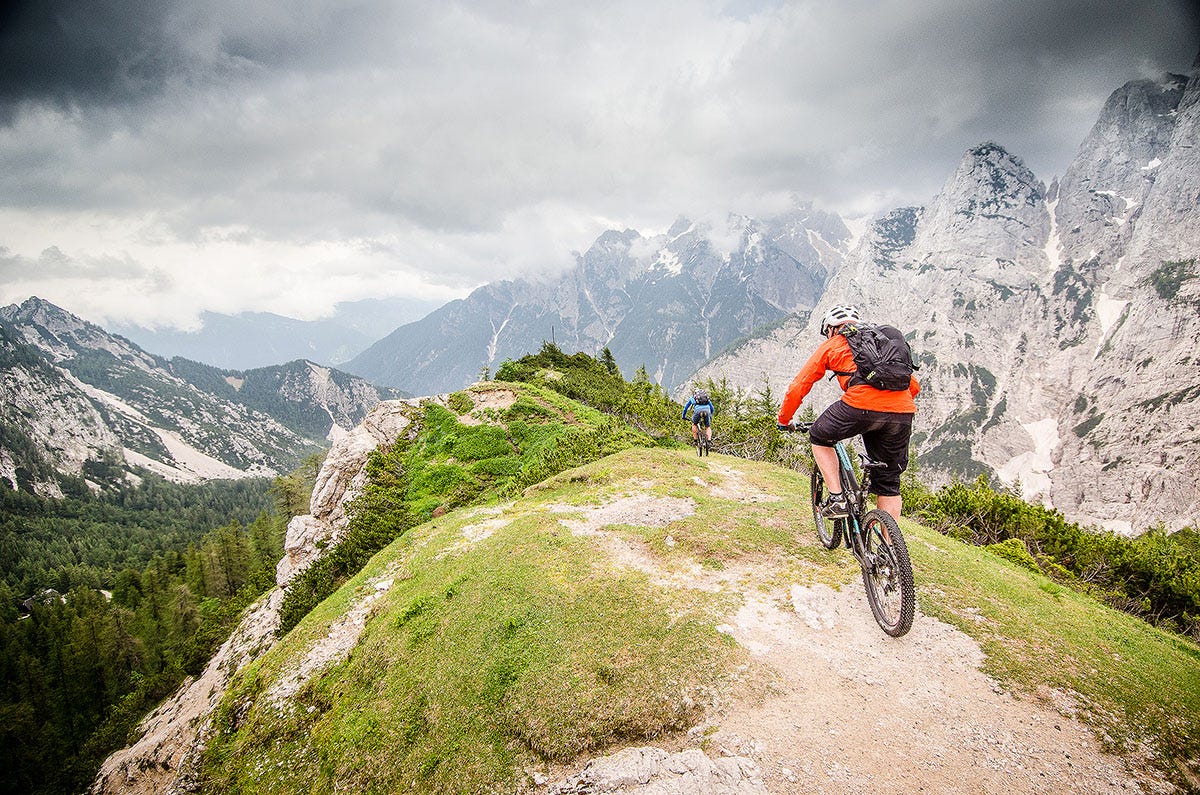
Gravel biking is ideal for exploring gravel paths and rugged trails. However, if one’s posture or equipment is not adjusted properly, riding on these surfaces can cause pain in the back, wrists, and knees. As Steven Rindner mentions, one must follow a few simple tips to prevent discomfort while gravel biking and enjoy every ride to the fullest.
Steven Rindner sheds light on a few pointers that can help comfortably enjoy gravel rides
To be comfortable on gravel rides, one firstly must buy the right bike. The wrong geometry, size, or fit can cause pinch points and pain in the back, wrists, or neck of the cyclists. Today, gravel bikes come in multiple shapes and sizes. Some gravel bikes are designed specifically for long distances and comfort, while many others are designed for racing. Typically, a frame designed for comfort allows a more upright position, and helps reduce tension in the body of the cyclist. Deciding which gravel bike would be ideal for a cyclist is extremely important. Hence, they should consider testing a few different makes and models before making a purchase.
In addition to buying the right bike, one must also get the saddle height just right. A badly set saddle height can cause discomfort and pain, particularly in the lower back and knees. If the saddle is too high or low, it may put strain on the muscles and joints of the cyclists. To properly adjust the height of the saddle, it would be prudent to seek the assistance of a friend. With someone holding the bike steady, the rider should sit in the saddle and position one foot at the bottom of the pedal stroke. In this position, the leg should show a slight bend at the knee while the foot remains level with the ground. This ensures efficient pedaling mechanics and lowers the risk of strain on the joints.
The next step would be to set the handlebars just right. If the cyclist is positioned too far forward or too cramped, discomfort can quickly set in, particularly in the wrists, hands, and lower back. Handlebar height can be adjusted using the spacers located at the top of the fork and through the stem connection. The goal is to achieve a neutral position where the cyclist does not feel overly stretched and can briefly remove their hands from the handlebars without pitching forward. Moreover, the brake hoods can be rotated or angled so that the wrists stay in a natural, aligned position. This is very important in off-road cycling, where hand positioning significantly impacts control and endurance.
As Steven Rindner mentions, another critical aspect of bike setup is choosing the right tires. The tire choice impacts the ride quality and comfort. Too narrow or over-inflated tires can lead to a bumpy ride. Wider tires made from a softer rubber compound provide better grip on the trails and allow cyclists to enjoy a more comfortable and confident ride. While tires with deep tread patterns provide superior traction in mud and loose terrain, they may roll slower on paved roads, so a balance must be struck based on the terrain and the cyclist’s riding style.