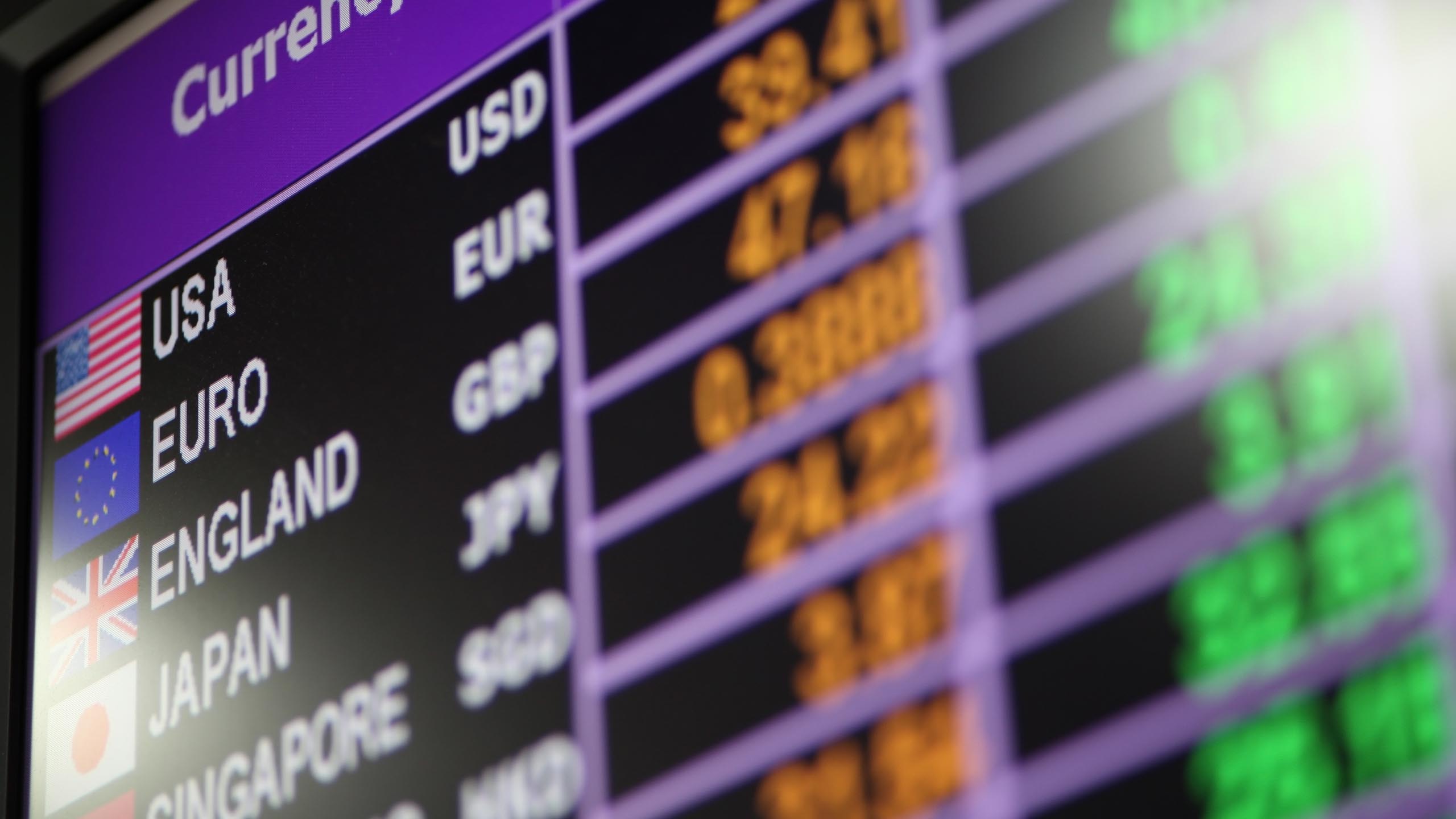
A pound in London and a dollar in New York may seem like straightforward units of money, but the relationship between them is anything but fixed. Exchange rates move constantly, reflecting changing expectations about economies, governments, businesses, and consumers. A shift that appears small on a currency chart can affect the cost of imported goods, overseas travel, international investments, and business profits.
Understanding why currencies rise and fall does not require predicting every market movement. It begins with recognising that exchange rates are shaped by a combination of economic fundamentals and market sentiment. The pound-to-dollar relationship offers a useful example because both currencies represent large, influential economies whose policies and prospects are closely watched around the world.
Interest Rates and Central Bank Decisions
Interest rates are among the most important influences on currency values. When a country’s interest rates rise relative to those of another country, its currency can become more attractive to investors seeking stronger returns. This can increase demand for that currency and contribute to appreciation, although the outcome also depends on whether markets had already anticipated the policy change.
The Bank of England and the Federal Reserve therefore play significant roles in movements between the pound and the dollar. Their decisions are shaped by inflation, employment, economic growth, and broader financial conditions. Investors often pay just as much attention to the language surrounding a decision as to the decision itself, because future expectations can move markets before policy changes actually occur.
This relationship is one reason why participants interested in forex trading pay close attention to central bank meetings and economic statements. Currency markets are forward-looking, meaning traders and institutions continually reassess what policymakers may do next. A currency can weaken even after a rate increase if investors believe that the increase will be followed by slower growth or future rate cuts.
Inflation and Purchasing Power
Inflation affects exchange rates because it influences purchasing power and monetary policy. Persistently high inflation can weaken confidence in a currency if prices rise faster than incomes and economic stability deteriorates. At the same time, higher inflation may encourage a central bank to raise interest rates, which can temporarily support the currency by attracting investment.
The key is not simply which country has higher inflation, but how inflation compares with expectations. Financial markets often react strongly when new data differs from what economists and investors anticipated. If inflation in the United Kingdom falls faster than expected, for example, markets may reconsider how soon the Bank of England could adjust interest rates, potentially affecting demand for the pound.
Major central banks and international economic institutions consistently emphasise the importance of stable prices in supporting sustainable economic conditions. For currency markets, inflation matters because it connects everyday costs with broader questions about interest rates, consumer confidence, business investment, and the long-term credibility of monetary policy.
Economic Growth and Market Confidence
Economic growth can strengthen a currency by suggesting that businesses are expanding, consumers are spending, and investment opportunities are improving. Stronger growth may attract capital from abroad, increasing demand for the country’s currency. However, growth figures rarely tell the entire story, because markets also consider whether the expansion is sustainable.
A strong U.S. economy may support the dollar, while improving conditions in the United Kingdom may strengthen the pound. Yet currency movements often depend on relative performance rather than isolated results. If both economies are growing, investors may focus on which one is outperforming expectations or offering better prospects in the months ahead.
Confidence is especially important during periods of uncertainty. Investors may favour currencies they consider more stable or liquid when concerns about recession, financial stress, or geopolitical disruption increase. This helps explain why a currency can move sharply even when domestic economic data appears relatively unchanged: global sentiment can alter the flow of capital quickly.
Trade, Capital Flows, and International Demand
International trade also contributes to currency demand. Countries import goods and services from one another, and these transactions create a continuing need to exchange currencies. A stronger demand for a country’s exports can support its currency, while a persistent dependence on imports can create pressure in the opposite direction.
Capital flows are often even more influential in modern currency markets. International investors move money between bonds, shares, businesses, and other assets based on expected returns and perceived risks. The United States and the United Kingdom both attract substantial global investment, so changes in financial markets can have consequences for the pound-dollar exchange rate.
Conclusion: Understanding the Bigger Picture
The movement from the pound to the dollar is ultimately a comparison story. Interest rates, inflation, growth, trade, investment flows, political developments, and global confidence all influence how markets value one currency against another. No single indicator provides a complete answer, and even positive economic news can produce unexpected market reactions when expectations have already been priced in.
For individuals and businesses, understanding these forces can make exchange-rate movements feel less mysterious. Currency values will continue to fluctuate, sometimes gradually and sometimes sharply, but those changes are usually connected to identifiable economic and financial pressures.