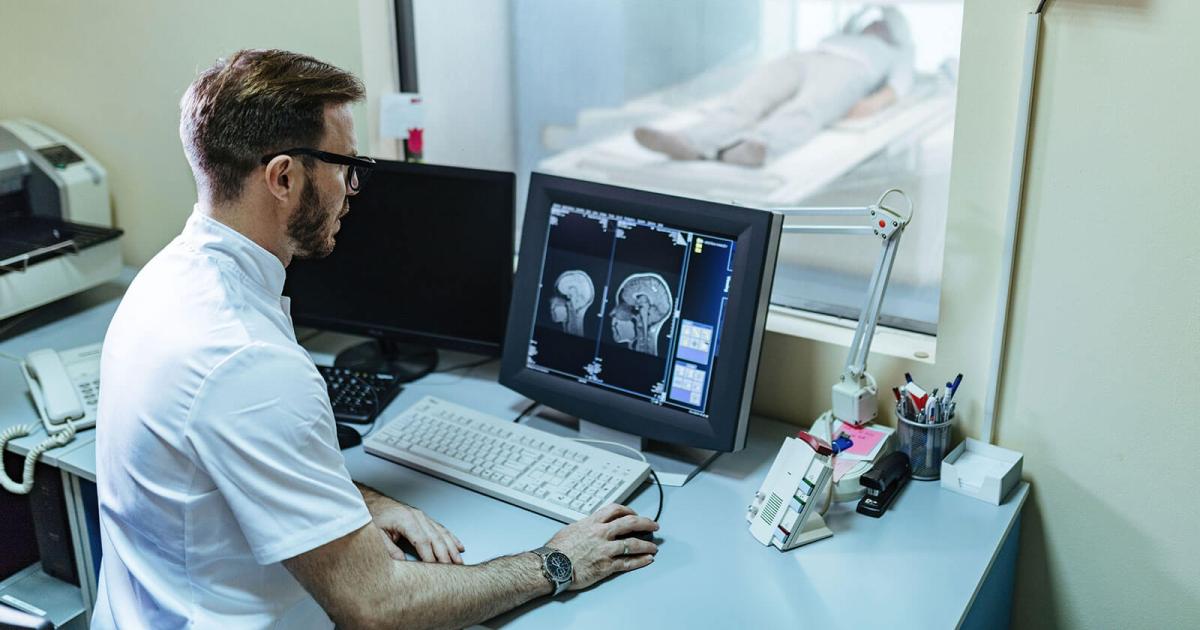
In contemporary healthcare, accurate diagnosis serves as the foundation upon which effective treatment decisions are built. Physicians are frequently faced with patients who present symptoms that cannot be fully understood through physical examination alone. Persistent pain, unexplained neurological symptoms, suspected internal injuries, or concerns identified during routine health assessments often require a closer look inside the body. In the opinion of Kasey McKillip, diagnostic imaging technologies provide this critical insight, allowing healthcare professionals to visualize structures and processes that would otherwise remain hidden.
Kasey McKillip Underlines the Role of Clear Diagnostic Imaging in Modern Healthcare
Techniques such as X-rays, Computed Tomography (CT) scans, Magnetic Resonance Imaging (MRI), and ultrasound examinations have transformed modern medicine by enabling detailed evaluation of bones, organs, blood vessels, muscles, and soft tissues. However, the value of these imaging technologies depends not merely on their availability but on the quality and clarity of the images they produce. Clear and precise diagnostic images play a crucial role in guiding clinical decisions, improving patient outcomes, reducing healthcare costs, and enhancing overall confidence in the diagnostic process.
Diagnostic imaging allows healthcare professionals to observe internal structures without the need for invasive procedures. Different imaging modalities are designed to highlight specific tissues and anatomical features, making them suitable for various clinical applications. Physicians rely on these technologies to detect diseases, assess injuries, monitor treatment progress, and plan medical interventions. Because every imaging modality serves a unique purpose, obtaining clear and accurate images is essential. The information captured during an imaging examination becomes the basis for diagnosis, treatment planning, and long-term patient management. When image quality is compromised, the reliability of these decisions may also be affected.
As per Kasey McKillip, one of the most significant benefits of high-quality diagnostic imaging is its ability to identify abnormalities at an early stage. Many serious medical conditions begin with subtle changes within tissues or organs that may be difficult to detect without advanced imaging technology. Small tumors, tiny fractures, early signs of infection, and minor structural abnormalities often require detailed visualization to be accurately recognized. Clear images enable radiologists and physicians to distinguish between normal anatomical variations and potentially harmful conditions. Even slight irregularities can provide important clues regarding a patient’s health status. When image quality is excellent, healthcare providers can detect abnormalities earlier and begin appropriate treatment before the condition progresses. On the other hand, poor image quality may obscure critical findings. Motion-related blurring, inadequate contrast, or technical limitations can make small abnormalities difficult to identify. Delayed detection may allow diseases to advance, potentially leading to more complicated treatment requirements and less favorable outcomes. Therefore, maintaining image clarity is essential for supporting early diagnosis and timely intervention.
Diagnostic imaging serves a critical function in the planning and execution of surgical procedures. Surgeons frequently rely on imaging studies to gain a comprehensive understanding of a patient’s anatomy before entering the operating room. Detailed images help identify the exact location, size, and relationship of abnormalities to surrounding structures. When imaging lacks clarity, uncertainty increases and the margin for error may become larger. Clear diagnostic images therefore contribute directly to safer surgical interventions and improved patient outcomes.